
How to Survive College Without Friends (Yes, It’s Possible)
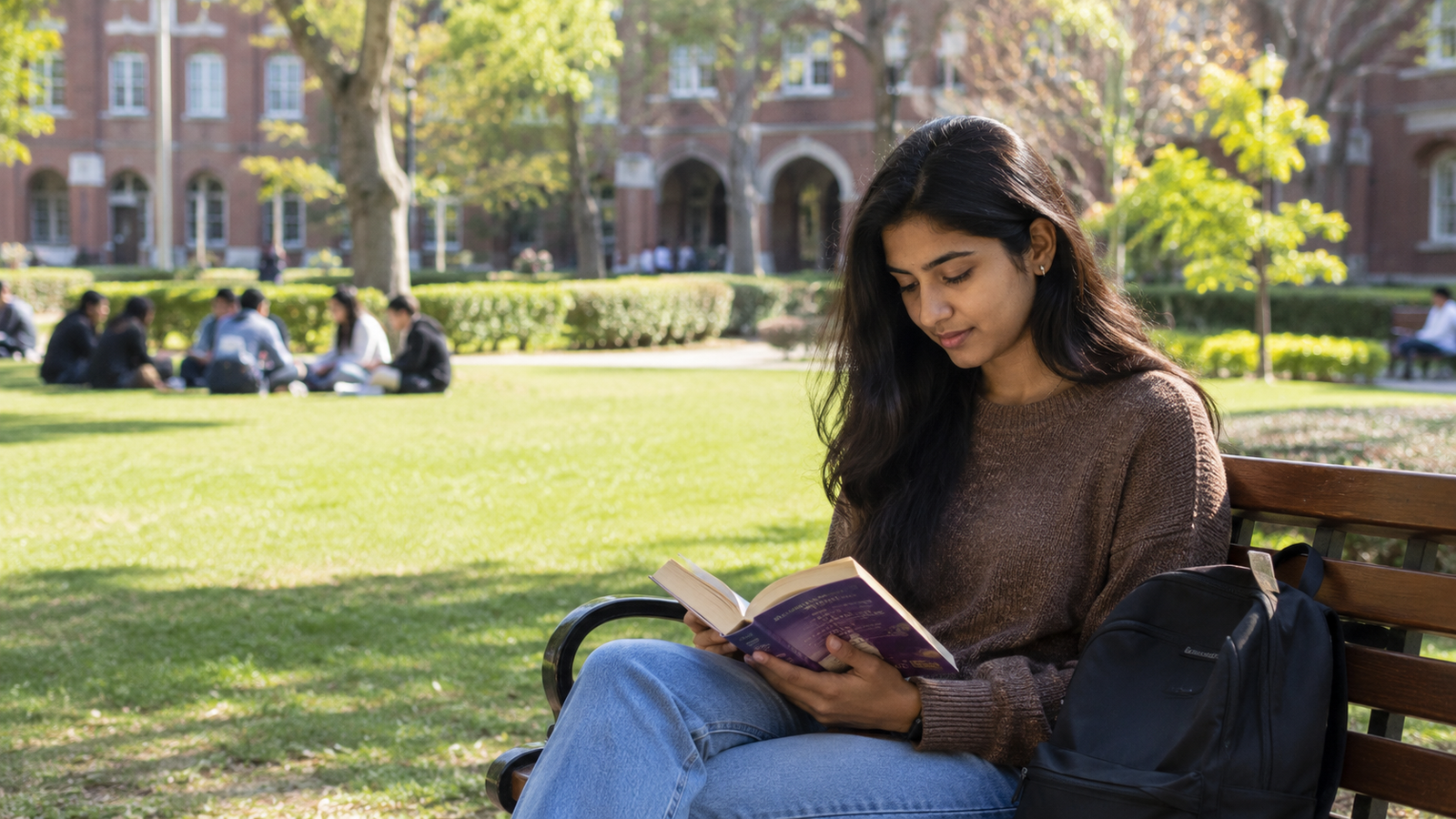
College is often described as one of the best times of your life, but what if you’re terrified of making friends and you’d like to learn whether it’s possible to survive campus life without them.
Maybe you moved away from home and haven’t clicked with anyone yet. Maybe you’re commuting while everyone else seems to live on campus. Maybe you’re naturally introverted, transferred schools, or just haven’t found people you genuinely connect with.
Whatever brought you here, if you’re wondering how to survive college without friends, know that you’re far from the only person asking that question.
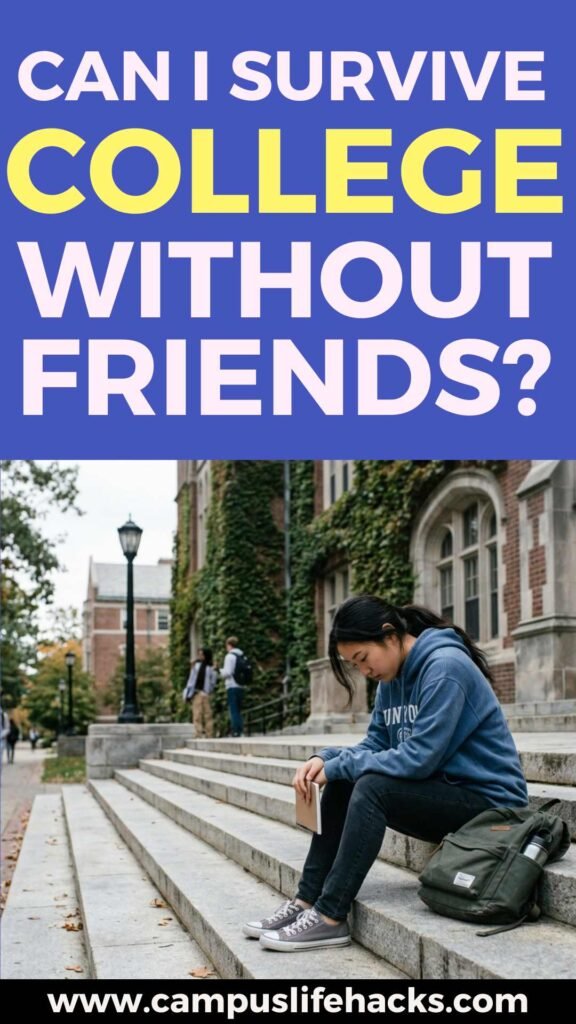
The short answer is yes, you can survive college without friends. Plenty of students earn their degree while spending most of their time alone. But surviving isn’t the same as enjoying the experience, and that’s the part many people leave out.
When I was a college student, I experienced gaps between classes (sometimes 5 hours long), where I had no choice but to hang out with…well…me, since my other friends weren’t taking the classes I was in. There were times I had to eat alone, go to the library alone, and just BE alone without doing any activity (on times like these, I’d find a spot in our campus gardens and just sleep).
So if you found yourself here because you’re trying to figure out how to survive college without friends, I want you to know that I understand that feeling. I did have friends in college, but I also know what it’s like to move through parts of campus life completely on your own.
That said, I want to be honest with you.
I can’t deny the fact that college becomes much easier when you have people you can text before an exam, grab lunch with after class, or lean on during stressful weeks. Without those connections, you’ll probably have to work a little harder (okay, a lot harder) to stay motivated, take care of your mental health, and create a fulfilling college experience.
But what if you’re an introvert, already have a set of friends, or are just not interested in making new friends? All of these are possible, and making friends later is much more common than you might think.
Accept That Being Alone Isn’t the Same as Being a Failure
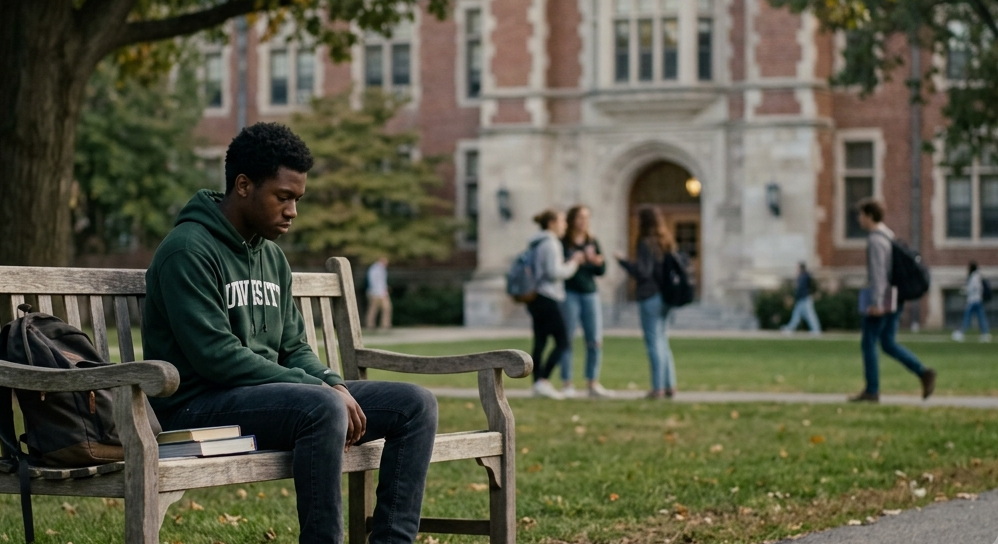
One of the biggest mistakes students make is assuming that having no friends means they’re doing college wrong.
It’s easy to believe that when you walk through campus and see groups of people laughing together. What you don’t see are the students eating lunch alone before class, going home immediately after lectures, or wondering if everyone else has figured something out that they haven’t.
Friendships happen at different speeds for different people. Some students meet their closest friends during orientation. Others don’t find their people until sophomore year, after joining a club, or even during an internship.
Instead of asking yourself, “Why don’t I have friends?” try asking, “How can I make the most of where I am right now?” That small shift in perspective helps you focus on what you can control instead of what you can’t.
Build a Life You Actually Enjoy, Even If You’re Doing It Alone
Being alone can feel uncomfortable at first because we’re taught that every experience is supposed to be shared. The truth is that learning how to enjoy your own company is one of the most valuable skills you’ll develop in college.
Take yourself to a coffee shop after class. Find your favorite corner of the library. Explore parts of campus you’ve never visited before. Go to a sporting event or a guest lecture, even if nobody’s going with you. When you stop waiting for someone else to make your college experience interesting, you’ll discover that there’s actually a lot to enjoy.
Ironically, people also tend to notice confidence. Someone who’s comfortable sitting alone with a book or working in a café often appears approachable because they’re not constantly looking around to see who might rescue them from being alone.
Create a Routine That Gives You Something to Look Forward To
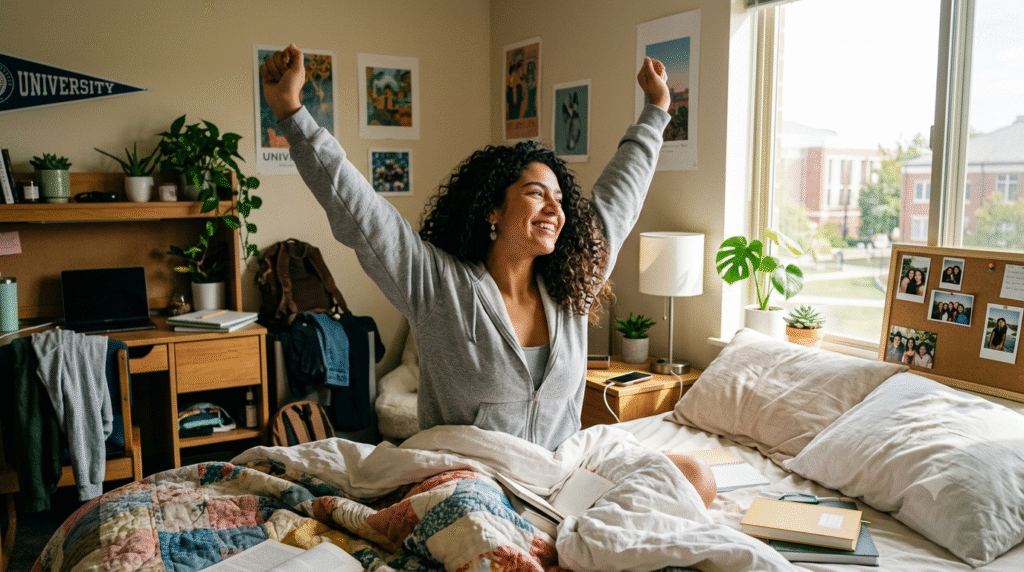
Loneliness often feels worse when your days don’t have much structure. If you finish class and immediately head back to your dorm or apartment every afternoon, it’s easy to fall into a cycle of scrolling on your phone and feeling like you’re missing out.
Instead, build a routine that gives each day purpose.
Maybe Mondays are your library study days. Tuesdays could be your gym days. Wednesdays might be when you try a new coffee shop. On Fridays, reward yourself with your favorite meal after finishing your assignments.
Having small rituals throughout the week gives you something positive to anticipate, even if you’re doing those activities by yourself.
Don’t Hide in Your Room

If there’s one piece of advice that can dramatically change your college experience, it’s this: don’t isolate yourself.
You don’t have to force yourself into crowded parties or become the loudest person in every room. Simply spending time around other people makes a difference.
Study in the library instead of your bedroom. Hot tip: You can even make friends with your school librarian and get inside info on your favorite books or the most interesting sections.
Eat lunch somewhere on campus. Work on assignments in the student center. Visit your campus coffee shop instead of staying home.
You might not talk to anyone the first few times, but familiarity matters. Seeing the same faces over and over naturally creates opportunities for conversation.
Learn How to Start Small Conversations
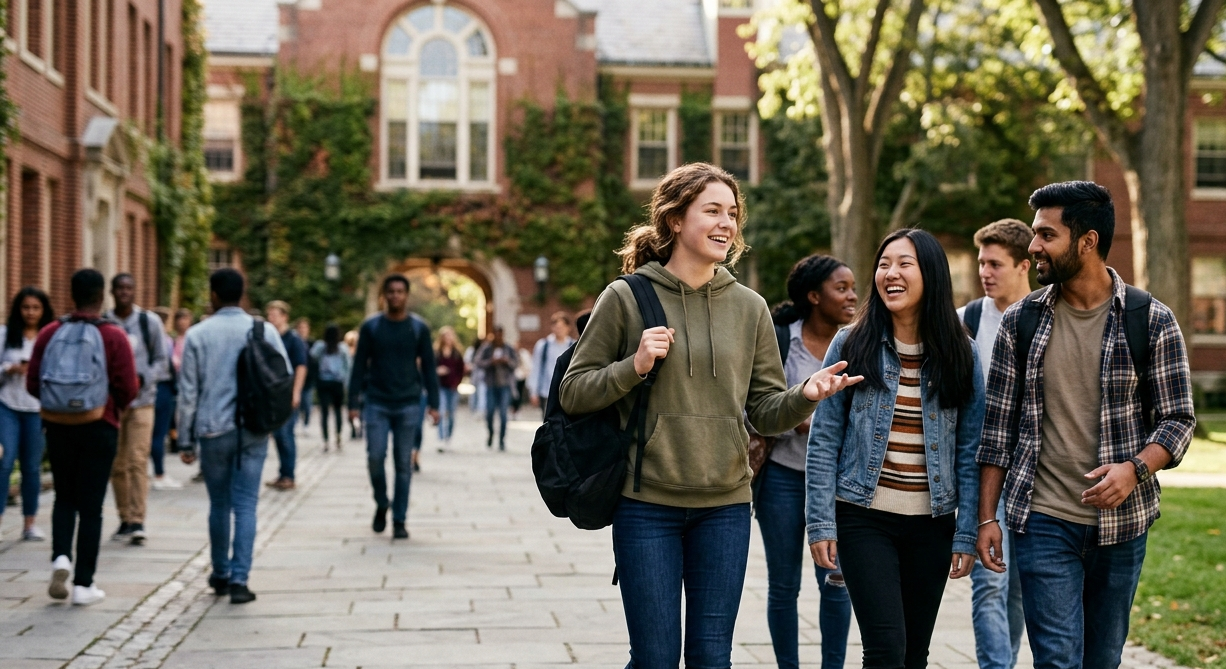
One reason making friends feels difficult is because many students think they need to be incredibly funny, outgoing, or charismatic.
You don’t.
Most friendships begin with surprisingly ordinary conversations.
Ask the person next to you if they’ve taken the professor before. Mention that you’re nervous about the upcoming exam. Ask if they know when an assignment is due. If someone is wearing a shirt from your favorite band or sports team, say something about it.
One of my favorite things to do is asking a classmate (if I like his/her vibe) what they’re doing after class. If they have a break, I invite them for a cup of coffee or a quick snack. You just never know who else is looking for new buddies.
The goal isn’t to become best friends in five minutes. It’s simply to become someone who’s open to conversation. Those small interactions often turn into study sessions, lunch invitations, and eventually genuine friendships.
Join One Organization That Genuinely Interests You
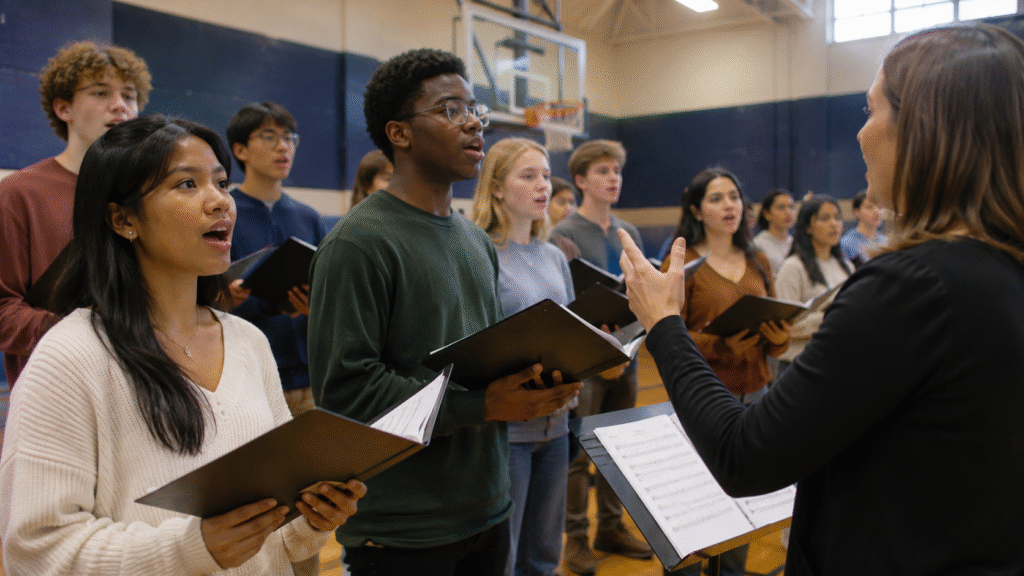
If you’re trying to meet people, don’t join clubs simply because they seem popular. Join something you’d actually enjoy even if you never made a single friend there.
When you’re surrounded by people who already share one of your interests, conversations become much easier because you already have something to talk about.
Whether it’s photography, gaming, volunteer work, student government, cultural organizations, or intramural sports, showing up consistently gives people the chance to know you beyond a single conversation.
Remember That Social Media Isn’t Reality

One of the fastest ways to make yourself feel lonely is comparing your life to everyone else’s Instagram stories.
Photos of birthday dinners, football games, road trips, and parties don’t tell the whole story. They don’t show the students who felt awkward before arriving, the friendships that aren’t actually that close, or the moments when everyone goes back to feeling uncertain.
Your college experience doesn’t need to look like someone else’s to be meaningful.
If You Want Friends, Make It Easy for People to Include You

Sometimes students wait for friendships to happen naturally, but relationships usually grow because someone takes initiative.
If someone asks whether you’d like to study together, say ‘yes’ if you’re free. If a classmate invites you to grab coffee after class, go. If your roommate wants to attend a campus event, tag along.
You don’t have to accept every invitation, but saying yes more often creates opportunities that wouldn’t exist otherwise.
At the same time, don’t be afraid to make the first move yourself. Asking someone if they’d like to study together before an exam is a completely normal thing to do, and chances are they’re just as relieved that someone else asked first.
Books That Can Help You Feel More Confident Around People
If building friendships doesn’t come naturally to you, these books are genuinely worth reading.
How to Win Friends and Influence People by Dale Carnegie remains one of the best books ever written about conversation, kindness, and making people feel valued. Even though it was published decades ago, the advice still applies to college life.
The Confidence Gap by Russ Harris teaches that confidence isn’t something you wait to feel before taking action. Instead, confidence grows because you keep taking action despite feeling uncomfortable.
If you’re more introverted, Quiet by Susan Cain is a reassuring reminder that you don’t need to become the loudest person in the room to build meaningful relationships.
You Don’t Need Hundreds of Friends
It’s easy to think that everyone else has a huge social circle, but most people don’t.
In reality, having two or three people you genuinely trust is far more valuable than knowing dozens of people on campus.
So don’t measure your success by how many people follow you on social media or how often you’re invited to parties. Measure it by whether you’re slowly building relationships with people who make you feel accepted, supported, and comfortable being yourself.
Related Articles
Student Failure Quotes
What Do College Students Do During Winter Break
Best Gifts for College Students Who Love Coffee
Final Thoughts
Learning how to survive college without friends isn’t really about learning how to stay alone forever. It’s about learning how to create a meaningful life while leaving the door open for connection.
You don’t need to rush friendships, force yourself into groups where you don’t belong, or pretend to be someone you’re not. Focus on becoming the kind of person you’d enjoy spending time with. Keep showing up, stay curious about other people, and don’t underestimate the power of small conversations.
You may have started this semester feeling like you’re on your own, but that doesn’t mean you’ll finish college the same way. Sometimes all it takes is one class, one conversation, or one shared cup of coffee for everything to change.