
30 Hidden College Expenses Nobody Warns You About (And How to Budget for Them)
When I was preparing for college, I spent a ton of time trying to figure out how much everything would cost. Tuition was the obvious one, and I knew I’d have to budget for textbooks, dorm supplies, and groceries. I thought that once I had accounted for those major expenses, I had a pretty realistic picture of what college life would cost.
I couldn’t have been more wrong.
What no one really talks about are all the little purchases that slowly chip away at your budget throughout the semester. They’re rarely expensive enough to make you stop and think twice, but they’re frequent enough that, by the end of the month, you’re wondering where all your money went.

The good news is that once you know what these hidden costs are, you can actually plan for them. Instead of constantly dipping into your emergency fund or wondering why your checking account is lower than expected, you’ll already have room in your budget for the expenses that most students never see coming.
Let’s start with some of the most common ones.
Disclosure: This article may contain affiliate links. That means if you click on a link and make a purchase, I may earn a small commission at no extra cost to you. I only recommend products I genuinely believe can help make college life a little easier.
Hidden Daily Expenses That Add Up Faster Than You Think
Laundry
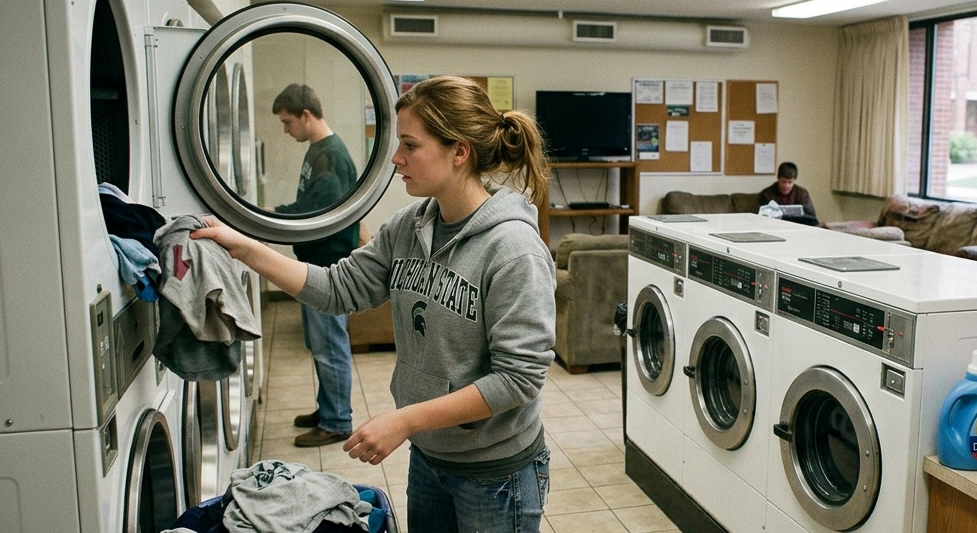
If you’re living in a dorm for the first time, laundry is probably one of those expenses that never crossed your mind. At home, it’s easy to overlook because your parents were likely already paying for the utilities, detergent, and machine maintenance.
College is different.
Many residence halls charge separately for washing and drying, and depending on where you live, doing one load of laundry can cost anywhere from $3 to $6. If you’re washing clothes every week (or more often if you’re active or work out regularly), that’s well over $150 to $250 each school year before you’ve even bought detergent or dryer sheets.
One of the easiest ways to save money is to wait until you have a full load instead of washing a few items at a time. Buying detergent in larger containers instead of individual pods can also lower your cost per load, especially if you split it with a roommate.
Coffee and Energy Drinks
I completely understand the appeal of grabbing coffee before class. Early lectures, late-night study sessions, and exam weeks have a way of convincing you that a latte is basically a necessity.
The problem isn’t the occasional coffee. It’s the habit. And tbh, you really don’t need that cup for Starbucks.
A $6 coffee doesn’t seem like much until you realize you’re buying one four or five times every week. Add in the occasional energy drink from the campus convenience store, and you could easily spend over $1,000 during a school year on caffeine alone. If you’re trying to really save on money, consider getting a coffee maker instead for your dorm. This specialty coffee maker is a real favorite and is relatively inexpensive.
Of course, to save the environment (*wink wink*), you’re going to need a reusable tumbler. My favorite has and will always be Stanley tumblers. They really stay true to their promise of keeping your drinks hot or cold for hourssss!
Printing Assignments
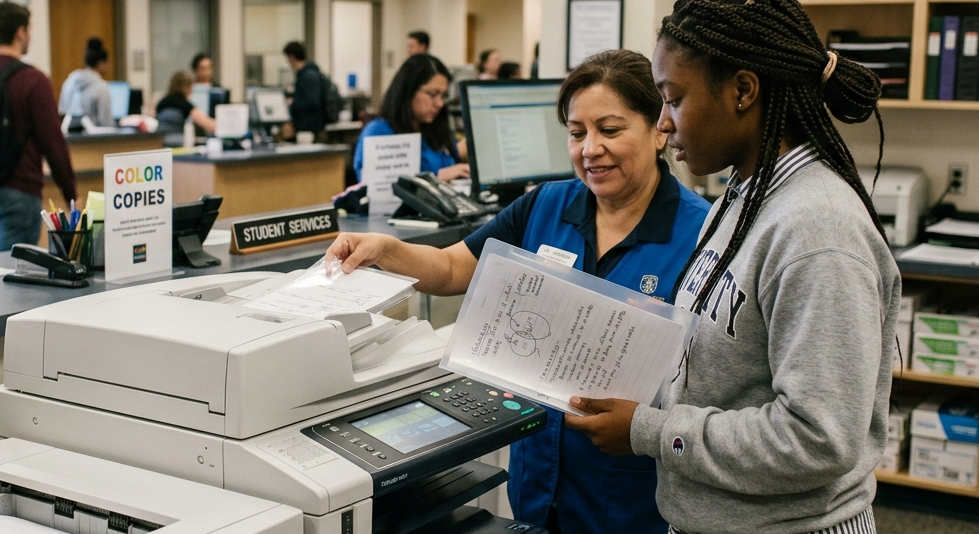
Many students assume they’ll hardly ever need to print anything because so much coursework is submitted online now. While that’s true for some classes, you’ll probably still encounter professors who want hard copies of essays, presentations, lab reports, worksheets, or reading assignments.
Campus printing fees usually seem inexpensive at first, but they accumulate over an entire semester, especially if you’re printing in color or working on group presentations.
After college I headed to lawschool, which, believe me, ate up a ton of my allowance because of all the printing and photocopying I had to do. We had cases, readings, and handouts to print almost every day. If you’re in a major that requires a lot of printed materials, it might actually be cheaper in the long run to invest in an affordable printer. I’d recommend getting one with a refillable ink tank since the ink costs much less over time than traditional cartridges
Hidden Dorm Expenses

Decorating Your Dorm Room
When you first move into your dorm, it’s hard not to compare your room to the beautifully decorated spaces you see on Pinterest, TikTok, or Instagram. Suddenly, what started as buying a comforter turns into purchasing string lights, framed photos, throw pillows, rugs, organizers, fake plants, wall art, and matching storage bins.
There’s absolutely nothing wrong with wanting your room to feel like home, but dorm décor can become one of the biggest unexpected expenses during your first semester because almost every purchase feels small enough to justify.
When I was studying, I knew I had to have a TV in my dorm room because at the time, watching movies on the internet was practically unheard of—we had to rent DVDs and VCDs (yes, I’m that old)! Now, if I were to start college all over again, I’d probably obviously skip the TV and just have an iPad. This is the model I currently use (for work this time) and the occasional movie.
If you’re currently planning your room, I actually put together an entire guide on how to decorate a college dorm on a budget, where I share affordable ways to make your dorm feel cozy without spending hundreds of dollars on decorations you’ll only use for a year.
Replacing Things You Didn’t Expect to Lose
For some reason, college is where chargers disappear.
While replacing one item isn’t usually expensive, replacing several throughout the year can become surprisingly costly. I learned pretty quickly that labeling my belongings and keeping a small emergency fund specifically for replacements helped me avoid feeling frustrated every time something went missing.
These are exactly the kinds of expenses that nobody mentions during orientation, yet almost every student ends up paying for them eventually.
Academic Expenses That Sneak Up on You
Most students go into college expecting tuition and textbooks to be the biggest academic costs. While those are certainly expensive, they’re usually the costs you know about before classes even begin.
The frustrating part is everything else.
Professors sometimes add required materials after the semester starts. Certain classes have fees that don’t show up until you’re already enrolled. Some assignments require software you didn’t realize you’d need, while others involve supplies that aren’t included in your tuition.
These are the expenses that tend to catch students off guard because you simply can’t predict all of them before classes begin.
Course Materials That Aren’t Textbooks
You might breathe a sigh of relief after finding a cheap used textbook online, only to discover during the first week of class that you’ll also need a workbook, lab manual, online homework access code, or case study packet.
Some professors even create their own course packets that have to be purchased directly through the campus bookstore.
These extra materials often aren’t optional because they’re tied to graded assignments or quizzes.
Whenever you register for classes, it’s worth checking previous course syllabi if your school makes them available online. It won’t tell you everything, but it can give you a better idea of what additional materials students were expected to purchase.
Technology Upgrades
College has a funny way of exposing every weakness your technology has.
The laptop that worked perfectly in high school suddenly struggles to run demanding software. Your headphones stop working halfway through online lectures. Your phone battery barely lasts until lunchtime.
Then there are the accessories you never considered buying before college:
- External hard drives
- USB hubs
- HDMI adapters
- Noise-canceling headphones
- Webcam upgrades
- Laptop stands
- Wireless mouse
- Portable chargers
You don’t necessarily need all of these, but chances are you’ll end up buying at least a few before graduation.
Instead of replacing everything at once, prioritize upgrades based on your major and how often you’ll actually use them.
Software Subscriptions
Many universities provide free access to programs like Microsoft Office, but not every piece of software is covered.
Depending on your major, you may eventually need subscriptions for programs like Adobe Creative Cloud, specialized engineering software, design platforms, cloud storage, grammar checkers, or research databases.
Even relatively inexpensive subscriptions become noticeable when several renew each month.
Before paying full price, check whether your university offers student licenses or educational discounts. Many companies provide significant savings for college students.
Lab Fees and Studio Fees
One of the biggest surprises for students in science, nursing, engineering, art, music, and photography programs is that tuition doesn’t always cover everything.
Many courses charge additional lab or studio fees to help cover equipment, chemicals, materials, or facility maintenance.
You often don’t notice these charges until your tuition statement is released.
They’re usually unavoidable, so it’s helpful to build a small buffer into your semester budget if your major includes hands-on classes.
Professional Exam Fees
Some degree programs require certification exams before graduation, while others encourage students to take professional exams to strengthen their resumes.
These registration fees can range from under $100 to several hundred dollars depending on your field.
They’re easy to forget about because they typically happen near the end of your program instead of your freshman year, but planning ahead makes them much less stressful.
Graduation Costs
Graduation feels incredibly far away when you’re just starting college.
Then suddenly you’re ordering a cap and gown, paying graduation fees, buying announcements, taking graduation photos, and celebrating with family afterward.
Many students don’t realize just how expensive graduation season can be until they’re already committed to participating.
Setting aside even a small amount each semester can make those final expenses feel much more manageable.
Transportation Costs You Probably Didn’t Budget For

Transportation is one of those categories that varies a lot depending on where you go to school.
Some students walk everywhere. Others rely on buses, trains, bikes, rideshare apps, or personal vehicles. Regardless of your situation, transportation usually ends up costing more than expected.
Rideshare Apps
There will inevitably be nights when you don’t feel like walking across campus.
Using Uber or Lyft occasionally isn’t a huge deal, but relying on them regularly can become surprisingly expensive over an entire semester. My sister once took an Uber to and from campus to our home for an entire year and literally had no savings at the end.
Whenever possible, take advantage of your school’s shuttle system or public transportation, especially if it’s included in your student fees.
Parking Permits
If you’re bringing a car to campus, don’t just think about gas.
Many colleges charge hundreds of dollars each year simply for the privilege of parking on campus. When I was a college student, parking for us was free for some spots, but there were also paid areas. Some lots also require separate permits for overnight parking or different parking zones.
Before bringing your vehicle, calculate the full cost of ownership instead of focusing only on fuel.
Gas and Maintenance
Even if you already own a car, routine maintenance doesn’t stop just because you’re in college. This was one of the expenses that really ate up my meager allowance. As a result, I would choose to commute by taking the train or the bus.
Oil changes, tire rotations, brake replacements, windshield wipers, registration renewals, and unexpected repairs can quickly eat into your budget. Oh wait, and insurance! Never forget that you still have to pay for insurance in case something goes wrong.
Creating a small vehicle maintenance fund can help prevent these costs from turning into financial emergencies.
Trips Home
One expense students often forget about is simply going home.
Whether you’re driving home for holidays, taking a bus during long weekends, or booking flights during school breaks, transportation costs can become significant throughout the year.
The earlier you book tickets, the more likely you are to find lower prices.
If you’re attending school far from home, it’s worth including travel in your annual budget instead of treating every trip as an unexpected expense.
Health and Personal Expenses

Your health isn’t something you want to neglect just because you’re trying to save money.
Unfortunately, many personal care expenses become your responsibility for the first time once you leave home.
Over-the-Counter Medicine
Headaches. Colds. Allergies. Upset stomach. Minor injuries.
These things happen throughout the school year, and buying medicine from the campus convenience store usually costs more than purchasing it ahead of time.
One of the smartest purchases you can make before moving into your dorm is a small first-aid kit stocked with basic medications and supplies.
Personal Hygiene Products
Toothpaste. Shampoo. Soap. Razors. Deodorant. Skincare products. Laundry detergent. Paper towels. Toilet paper if you’re living off campus.
These are recurring expenses that quietly show up month after month. Individually they’re inexpensive, but together they can take a noticeable bite out of your monthly spending.
Buying household essentials in bulk with roommates is often one of the easiest ways to lower these ongoing costs.
By this point, you’ve probably noticed a pattern: the biggest threats to your college budget aren’t always the expensive purchases. They’re the smaller, recurring expenses that quietly become part of your everyday routine. In the final section, we’ll cover ten more hidden costs—including social spending, subscription services, internship expenses, and emergency purchases—before wrapping everything up with practical budgeting tips to help you stay ahead of them.
Social Expenses That Are Easy to Underestimate

College isn’t just about classes, papers, exams, and trying to survive on a student budget. A huge part of the experience comes from meeting people, joining activities, going out with friends, and saying yes to opportunities that make campus life feel less lonely.
The problem is that socializing costs money more often than people admit. In fact, this was one of the reasons why as a college student, I was broke a lot! If friends would invite me out for lunch (of course, on dutch), I would say “yes” without so much as look at my budget. Looking back, I should have planned better for these.
Even if you are not the type of student who goes out every weekend, you will probably still spend money on birthdays, group dinners, club events, campus activities, coffee meetups, and random outings that happen because someone in the group chat suggested it.
Group Meals and Takeout
Eating with friends sounds harmless until it becomes part of your weekly routine. One dinner out may not feel like a big deal, but when you add appetizers, drinks, tax, tip, and transportation, a simple meal can cost much more than expected.
This is especially difficult because food is social in college. Sometimes the invitation is less about the meal and more about not wanting to miss out. You might say yes because everyone else is going, or because you are still trying to build friendships and do not want to seem unavailable.
A good compromise is to suggest cheaper alternatives when you can. Instead of always eating out, you can invite friends to do a grocery run and cook together, have a dorm snack night, or meet for coffee instead of a full meal. You still get the social connection without spending your entire weekly budget in one evening.
Birthday Gifts and Celebrations
College friendships can get expensive around birthdays, especially when everyone wants to make the celebration feel special. You may be asked to contribute to a group gift, pay for dinner, split decorations, or help cover a surprise party.
None of these things are bad, but they can become stressful if several birthdays happen close together.
The easiest way to avoid feeling pressured is to decide ahead of time how much you are comfortable spending on gifts and celebrations each month. A thoughtful card, a small care package, or a homemade treat can still feel meaningful without forcing you to spend money you do not have.
Club Events, Formals, and Retreats
Joining clubs can be one of the best ways to make friends in college, but many organizations come with costs beyond the membership fee. Depending on the group, you may need to pay for event tickets, matching shirts, transportation, retreat lodging, conference registration, or formal attire.
This is where budgeting becomes part of being responsible with your college experience. You do not have to say yes to every event just because you are part of the organization. Choose the activities that genuinely matter to you, and give yourself permission to skip the ones that would stretch your budget too far.
Weekend Entertainment
Movies, concerts, local events, bowling nights, sports games, mini golf, escape rooms, museum tickets, and campus-adjacent activities all sound affordable when considered one at a time. The problem is that college weekends can fill up quickly, and spending $15 to $30 every weekend becomes a real expense by the end of the semester.
You do not need to stop having fun, but it helps to rotate between paid and free activities. Look for campus-hosted events, student discounts, free museum days, outdoor movie nights, open mic events, and community festivals. Many colleges already charge activity fees as part of tuition, so you might as well take advantage of the free events you are already helping pay for.
Hidden Living Expenses Outside the Dorm

Even if you are living in a residence hall, you will still run into small living expenses that make college feel more expensive than expected. Once you move off campus, those costs become even more noticeable because you are suddenly responsible for things that may have been included in your dorm fees.
Cleaning Supplies
Most students remember to buy bedding and school supplies before move-in, but cleaning supplies are often forgotten until the room starts feeling dusty, sticky, or gross. You may need disinfecting wipes, trash bags, paper towels, laundry stain remover, dish soap, sponges, air freshener, a small vacuum, or storage containers to keep your space under control.
These items aren’t exciting to buy, which makes them even more annoying when they eat into your budget.
If you are living with roommates, try splitting shared supplies instead of everyone buying their own version of the same thing. It saves money and prevents your tiny dorm or apartment from becoming crowded with duplicate products.
Dorm Comfort Items
There is a big difference between decorating your dorm and making it comfortable enough to actually live in. A room can look cute and still feel too hot, too cold, too bright, too noisy, or too cramped.
This is where students often end up buying things they did not originally budget for, such as a fan, blackout curtains, mattress topper, extra blanket, desk lamp, shower caddy, robe, slippers, or under-bed storage.
Some of these purchases are worth it because they improve your daily life, especially if they help you sleep better or stay organized. The key is to avoid panic-buying everything during move-in week. Start with the basics, live in the room for a few days, and then buy what you actually need.
Seasonal Clothing
College can expose you to weather you are not used to, especially if you move to a different city or state. A student from a warm climate may suddenly need winter boots, a heavy coat, gloves, scarves, thermal layers, or rain gear.
Even students who stay close to home may realize that campus life requires more walking than they expected, which means they need better shoes, a stronger umbrella, or a warmer jacket.
Seasonal clothing can be expensive, so it is better to plan ahead instead of waiting until the first freezing morning or rainy walk to class. Thrift stores, end-of-season sales, and student resale groups can help you find what you need for less.
Roommate-Related Expenses
Roommates can make college more affordable, but shared living also creates unexpected expenses. Maybe your roommate uses more paper towels than expected, forgets to replace shared items, breaks something by accident, or wants to split household purchases you did not plan for.
This is why it helps to talk about shared expenses early. It may feel awkward at first, but it is much less awkward than silently resenting someone because you keep paying for the trash bags, dish soap, or cleaning supplies.
A simple shared note or group chat list can make things easier. When something runs out, the next person can replace it, or everyone can contribute a small amount to a shared household fund.
Wellness Expenses Students Forget About

Health and wellness in college can be surprisingly expensive, especially because students often wait until something becomes urgent before buying what they need. By then, they usually end up paying more out of convenience.
Fitness Costs
Some campuses include gym access in student fees, but others charge extra for fitness classes, intramural sports, equipment rentals, personal training, or specialty programs like yoga, pilates, dance, or martial arts.
Even if the gym itself is free, you may still need workout clothes, sneakers, a water bottle, resistance bands, or a gym bag.
You do not need a full fitness wardrobe to stay active, but having a few basics can make it easier to actually use the resources available to you.
Mental Health and Self-Care Expenses
College can be emotionally heavy, and many students underestimate how much they may need support during stressful seasons. Some schools offer free counseling sessions, but others have limits, waitlists, or referral systems that lead to outside providers.
Even outside of therapy, self-care can come with costs. Journals, planners, meditation apps, weighted blankets, calming teas, hobby supplies, and wellness products can all become part of how students cope with stress.
The goal isn’t to spend money every time you feel overwhelmed. The goal is to know which supports genuinely help you and to use free campus resources whenever possible before paying for outside options.
By this point, the pattern is clear: college expenses aren’t always dramatic. Most of the time, they’re normal parts of daily life that become expensive because they happen repeatedly. In the next section, we’ll finish the list with the final hidden expenses students often forget, including internship costs, subscriptions, emergency purchases, and the sneaky end-of-semester expenses that can wreck your budget if you’re not ready for them.
Career and Internship Expenses Students Forget to Budget For

College is supposed to prepare you for your future career, but a lot of students are surprised by how much career preparation can cost before they’ve even started earning real money.
Professional Clothes
At some point, you’ll probably need clothes that look more polished than your usual campus outfits. This could be for interviews, internships, presentations, networking events, career fairs, student leadership events, or scholarship meetings.
You don’t need an expensive wardrobe, but having at least one reliable professional outfit can save you from panic-shopping at the last minute. Thrift stores, outlet sales, student clothing closets, and borrowing from friends can help you look put together without spending too much.
Internship Transportation
Even unpaid or low-paid internships can cost money. You may need to commute, pay for parking, buy train tickets, cover gas, or use rideshare apps when your schedule doesn’t line up with public transportation.
Before accepting an internship, try to calculate the real cost of getting there. An opportunity can still be worth it, but it’s better to know ahead of time whether transportation will take a big chunk out of your budget.
Resume, Portfolio, and Application Costs
Some students can apply for jobs and internships completely online, but others may need printed resumes, portfolio materials, certification documents, background checks, transcript requests, test scores, or application fees.
These costs usually show up during already stressful seasons, which makes them feel even more frustrating. Keeping a small career-prep budget can help you apply for opportunities without feeling like every step costs money you didn’t plan to spend.
Digital Expenses That Quietly Drain Your Budget

College students live online, which means digital expenses can become part of your routine without you noticing. A few dollars here and there may not seem like much, but recurring payments can become one of the easiest ways to lose track of your money.
Streaming and App Subscriptions
Music, TV, cloud storage, fitness apps, editing apps, productivity tools, premium study platforms, and delivery memberships can quietly renew month after month.
The tricky part is that many subscriptions start with a free trial or a student discount, so they don’t feel expensive at first. Once several are renewing at the same time, they can easily take over part of your monthly budget.
Every few months, check your bank statement and cancel anything you no longer use. If you only need a service for one class or one project, set a reminder to cancel it before it renews.
Online Storage and Backup Services
Losing a major paper, thesis draft, design project, or presentation can be a nightmare, so cloud storage is often worth paying for if your free storage runs out.
Still, it’s an expense many students never think about until they get the dreaded “storage full” notification. Before paying for more storage, delete duplicate files, old downloads, screenshots, and videos you no longer need. You may be surprised by how much space you can recover for free.
Banking and Convenience Fees
ATM fees, overdraft fees, late payment fees, card replacement fees, and transfer fees are some of the most annoying hidden college expenses because they’re usually avoidable.
A good student checking account, automatic bill reminders, and a habit of checking your balance can prevent a lot of these small losses. The goal isn’t to become obsessed with your bank account, but to avoid paying unnecessary fees that don’t actually benefit you.
End-of-Semester Expenses Nobody Talks About

The end of the semester is already stressful because of exams, projects, packing, and deadlines. Unfortunately, it can also become expensive if you’re not prepared.
Moving and Storage Costs
If you live far from campus, moving out can be more complicated than throwing everything in a car. You may need boxes, tape, storage bins, shipping labels, luggage, or a short-term storage unit.
This is especially common for students who can’t bring all their dorm items home during summer break.
Before move-out week, ask older students what they did with their belongings. Some schools partner with storage companies, but those services can be expensive, so compare prices before booking anything.
Damages and Replacement Fees
Dorms and apartments may charge for lost keys, broken furniture, stained carpets, damaged walls, missing items, or cleaning issues after move-out.
To protect yourself, take photos of your room when you move in and when you move out. If you’re living with roommates, document shared spaces too, because you don’t want to be charged for damage you didn’t cause.
End-of-Semester Travel and Meals
Finals week often disrupts every normal routine. Dining halls may have limited hours, friends may leave at different times, and you may end up buying more takeout, snacks, coffee, or convenience meals than usual.
Travel can also become more expensive if you wait too long to book tickets home. If you already know when the semester ends, try to plan your transportation early instead of waiting until everyone else is booking at the same time.
Emergency Expenses

Even the most careful student will eventually face an expense they couldn’t fully predict. That doesn’t mean you failed at budgeting. It just means life happened.
Medical Visits and Prescriptions
Getting sick in college can cost more than expected, especially if you need urgent care, medication, transportation to a clinic, or follow-up appointments.
Before you need help, learn where your campus health center is, what services are free, and what your insurance covers. Knowing this information ahead of time can save you money and stress when you’re already not feeling well.
Replacing Lost or Broken Essentials
A cracked phone screen, broken glasses, lost student ID, damaged laptop, or stolen bike can instantly create a financial problem.
This is why even a small emergency fund matters. It doesn’t have to be huge. Even saving a little from each paycheck, allowance, or refund can give you breathing room when something important needs to be replaced.
Unexpected Family or Personal Travel
Sometimes students need to travel home unexpectedly for family emergencies, personal reasons, or important events. Last-minute transportation is rarely cheap, especially if flights are involved.
You can’t predict every situation, but you can avoid spending your entire budget down to zero. Keeping even a small buffer gives you more options when life doesn’t go according to plan.
Related Posts
College Dorm Room Essentials for a Stress-Free Semester
College Dorm Room Laundry Tips
Dorm Room Organization Hacks
How to Prepare for Hidden College Expenses
The point of this list isn’t to scare you into thinking college is impossible to afford. It’s to help you see the full picture so you can prepare instead of constantly feeling surprised.
A practical way to handle hidden college expenses is to create a small “random college costs” category in your budget. This can cover things like printing, laundry, medicine, gifts, chargers, rideshares, and last-minute supplies. Even setting aside $25 to $50 a month can make a difference because you won’t have to treat every small expense like an emergency.
It also helps to review your spending once a month. You don’t need a complicated spreadsheet unless you enjoy that kind of thing. You can simply look at your bank statement and ask yourself where your money is actually going. If coffee, takeout, rideshares, or subscriptions are eating more of your budget than expected, you can adjust before it becomes a bigger problem.
Most importantly, remember that budgeting in college isn’t about never spending money. You’re allowed to decorate your room, go out with friends, buy coffee, join clubs, and enjoy your life. The goal is to spend with awareness so your money goes toward things that actually matter to you instead of disappearing into expenses you forgot to plan for.
Final Thoughts on Hidden College Expenses
College comes with plenty of obvious expenses, but the hidden ones are often what make students feel financially overwhelmed. Tuition may be the biggest bill, but laundry, transportation, subscriptions, supplies, social plans, health items, and emergency purchases can quietly add up over time.
Once you know these costs exist, you can make smarter decisions. You can prepare a small buffer, compare prices, use student discounts, share costs with roommates, and avoid last-minute purchases whenever possible.
Nobody budgets perfectly in college, and you’ll probably still have moments when you spend more than planned. That’s normal. What matters is that you start paying attention, because the earlier you learn how to manage these small expenses, the more confident and responsible you’ll feel with money later on.